Are You Getting The Most From Your Gas Patio Heater?
Gas Patio Heater The flickering flame of gas patio heaters can bring a warm and uplifting lighting to any outdoor area. They are very popular in bars and restaurants, where their radiant heat draws patrons to linger. Choose between floor-standing units that require less space or tabletop models that are easy to move. Some models utilize natural gas, whereas others depend on propane tanks. Safety Patio heaters can bring warmth and an atmosphere to your outdoor space. They are a great addition to your backyard, but must be used with proper safety measures in order to prevent fire dangers. Check for patio heaters that come with UL and CSA certificates and look for features like tip-over switches and auto shutoffs. Also, keep a fire extinguisher in the vicinity, ideally one of the appropriate classes for the fuel source you're using. There are a variety of gas patio heaters available on the market, but it's crucial to choose a model that is safe for your family. Propane heaters are not to be used in enclosed spaces. They can result in carbon monoxide poisoning. When not in use they should be properly stored and maintained. Maintaining your patio heater can extend its lifespan and ensure maximum safety. During routine maintenance, make sure that all parts are working and free of damage. To prevent a buildup it is also recommended to clean the burner and hose regularly. It is essential to keep the tank of your propane patio heater full. A drained propane tank can leak gas, posing an opportunity for fire. The best way to protect yourself and your family is by following these basic safety guidelines when using a heater for your patio. Always keep a fire extinguisher close to you and do not leave a heater on the patio unattended. It is also an excellent idea to install carbon monoxide detectors within your home. When selecting a gas patio heater, it is essential to select one with an CSA safety rating. This means it has been tested and endorsed by an independent evaluator to be conforming to strict standards. It is also safe to use in North America. Also, look for an appliance that has thermocouples that are able to detect temperature changes and stop gas flow if the flame disappears. Store your gas patio heater in an area that is dry and cool. Keep it away from furniture or other objects as the heat can cause them to catch fire. Also, don't move the heater in your patio while the flame is still burning because this could cause gas to flow out of the pipe and potentially damage the valve or hose. Easy to put together Gas patio heaters can make your outdoor space more livable. It creates radiant heat that counteracts cold night air and brings people together. natural gas gas patio heater makes it ideal for pubs, restaurants and bars, where patrons are more likely to hang outside and drink. It's also a fantastic addition to homes, as it offers an additional degree of comfort and could improve the look of your home's exterior. There are a variety of types of gas patio heaters available each with its own pros and cons. The most commonly used type is propane. It is portable, in contrast to electric heaters that burn wood and electricity. There are also natural gas patio heaters that connect up to a natural gas line in your home and are less expensive than propane, but not as portable. Gas patio heaters feature an ignition source that burns propane, LPG or natural gas. The flames are directed against an aluminum screen with holes that reflect the radiant heat back to the ground. The reflector hood, typically silver-colored to prevent heat loss, can help to save energy. Certain gas patio heaters require more care to assemble than other. Certain gas patio heaters require an electric igniter in order to start the flame. Others require manual ignition of a pilot with a lighter. To reduce the chance of carbon monoxide poisoning it is important to follow the manufacturer's guidelines for lighting the patio heater. Set your gas patio heater away from doors and windows in a well-ventilated area. It should be set up in a way that it won't be blown down by wind, and is away from any fire-prone material. Some patio heaters are constructed with a reservoir filled with sand or water to ensure they are solid and stable. They are also weighted down. If yours is equipped with a reservoir, you'll have to examine it and refill it when you need to. Easy to move Many gas patio heaters are constructed on a pedestal with wheels that make them easy move. They also have security features, such as a tip-over shutoff and straps for propane tanks. These features allow you to keep your hands off the heat while moving the heater and ensure that the heater is safe from damage during handling. It is crucial to use soft pads to protect the unit from scratches or dents when you secure it to your vehicle. You can also buy dollys to use for this purpose. Gas patio heaters are not only easy to move, but they are able to also withstand harsh weather conditions. Usually, they are made of steel which makes them durable. They are also rust-resistant to ensure they remain in good condition. Certain models have the option of a metal or glass hood to ensure they can withstand extreme temperatures. You can also find heaters with a hammered bronze or resin wicker. decorative stone face for an added touch of style. There are a variety of gas patio heaters, each with distinct advantages and disadvantages. Some are designed to resemble a pyramid and some resemble dome-top grills. Some are designed to look like an actual fireplace. The style you pick will depend on your space however, all will provide a pleasing warmth ring. 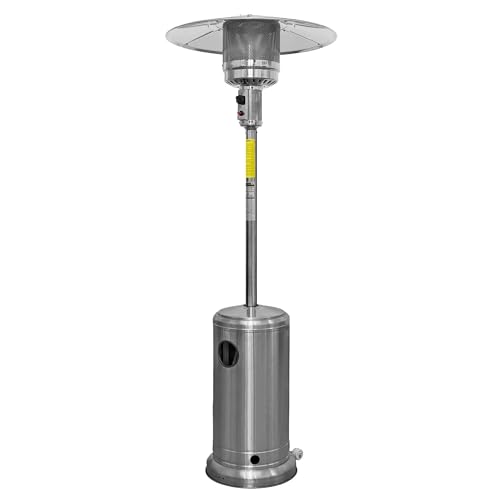 More about the author -gas patio heaters may also be connected to your home's gas line. This is more expensive to install, but it's less costly to run than propane. It also generates more heat so it is more suitable for larger outdoor areas. If you're seeking a portable patio heater that doesn't need extension cords or propane tanks, you should consider this model from Solo Stove. It runs off standard wood pellets, which are available at most hardware stores. The tank has a 25-pound capacity, and it is equipped with an automatic feeder to reduce refills. This tank is simple to use and comes with a convenient remote. This model is ideal for porches and garages. It's an excellent option for camping trips. Easy to install A gas patio heater to your outdoor space can make a big difference when it comes to comfort and enjoyment. They can allow people to remain outside longer and make lasting memories. They are simple to set up as well, and can be used in a range of settings. The first step in installing a gas patio heater is to choose the best one. You must consider the location, size of the area and any power sources that might be present. You'll also want to ensure that the heater is not placed near combustible material and that there's enough clearance around it. Be aware of any potential gas leaks. Gas patio heaters are an excellent option for any outdoor area. This is particularly true during cooler months. They can heat up to 215 sq feet of space. They can be controlled remotely or on the basis of a timer. They are also more portable than electric heaters that require to be connected. Additionally, they can be powered with natural gas or propane cylinders. When selecting gas patio heaters, be sure to look at the BTUs (British Thermal Units) rating. The higher the BTUs rating, the greater heating they will offer. Multiply the cubic feet of the patio heater by the desired temperature to determine the number of BTUs required. Gas patio heaters are also more affordable to run than other outdoor heaters. They also require less maintenance and are safer to use. They can also be placed under the roof and don't require venting, which makes them a great choice for outdoor spaces which are covered in part or enclosed. These heaters are also available in various colors, shapes, and sizes to suit any decor. Before you begin using your patio heater, it is recommended to read the manufacturer's directions carefully and follow them closely. When not in use, store your heater in a safe place. This will stop it from getting clogged up with dirt or bugs and will also protect it against corrosion.